Category Archives: Food for Thought

Five Essential Questions

Questions 02Woodlawn was the third poorest neighborhood in Chicago. As early as 1990 over half of its residents were on some form of public aid, and the median household income was only $13,000. Eighty percent of residents lacked higher education; prostitution and drug addiction were rampant.

John McKnight, emeritus professor of education and social policy and co-director of the Asset-Based Community Development Institute at Northwestern University, walked door to door through Woodlawn asking residents 5 questions. These questions helped residents start to think inwardly in terms of producing change for their embattled community. Continue reading Five Essential Questions

Good Grief

David and BathshebaMiddle Eastern houses had flat roofs which were usable living spaces.  One day King David (1040-970 BC) was strolling around on his palace roof when he noticed a neighbor lady bathing on her roof. Her beauty captured his attention, and he stared lustfully at her body.

“I must have her,” he told his servant, and the servant was dispatched to deliver a “the-king-wants-you-to-have-an-audience-with-him” message. You couldn’t say “No” to the king, so “Bathsheba” put on her finest make-up and dress and left with the servant.

From the beginning, King David had lecherous intentions, so he plied Bathsheba with wine, delicious food, and his full attention.  “Let’s adjourn to my bedroom,” he said, Bathsheba’s inhibitions thoroughly anesthetized by the wine and luxury. Continue reading Good Grief

Assumptions

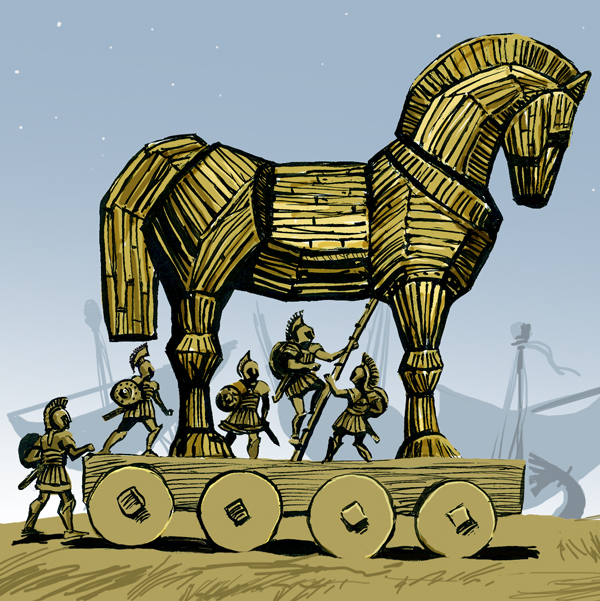
Trojan Horse 02I grew up in a conservative, Southern church that taught us kids that our church was pure in its belief, unadulterated by any outside historical influence.  It was a bold assertion.

At the heart of this assumption was the belief that what we believed and practiced had been transferred, unimpeded and unfiltered, from the early part of the first century straight to our ears in the mid 1900’s.  Our teachers were well-intended but naïve.

In point of fact there had been a number of influences that subtly changed the way that the first century message of Jesus was understood not the least of which was Greek philosophy.  The influence of Plato and Epicurus, for example, is still felt.

Plato was born about 429/428 BC and is known for his belief that spirit is good but matter is evil.  Plato’s teachings became the foundation for a school of thought called Gnosticism, and there were some first century Gnostic teachers who said that Jesus could not possibly have lived in human form because matter is inherently evil. Continue reading Assumptions

The Responsibility of Influence

InfluenceThe young adult was walking through a local store wearing a t-shirt with a simple message – “Not a Role Model.” No other images, just the words standing out in bold type on his chest.

It wasn’t too long ago that NBA great, Charles Barkley made that phrase popular.  Barkley was known for his inappropriate behavior including on and off-court fights, breaking a man’s nose during a fight after a game with the Milwaukee Bucks, throwing a man through a plate-glass window after being struck with a glass of ice, and mistakenly spitting on a young girl in March 1991. Continue reading The Responsibility of Influence

Do not trust these deceptive words.

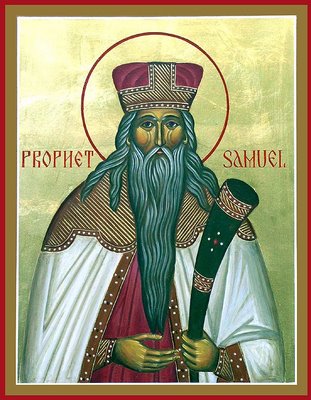
Samuel 01Ancient Israel believed they had carte blanche with God’s approval.

Not unusual.  Especially among nations that are enjoying a modicum of political and financial success.  “God bless America” we hear so often in political speeches, implying that we have a special dispensation from God.

Ancient Israel’s mantra was “the temple of the Lord, the temple of the Lord,” as they looked proudly at the gleaming place of worship they associated with God’s dwelling place.  “Nothing bad could happen to us because we have the temple of the Lord” was the upshot of  this phrase. Continue reading Do not trust these deceptive words.

They worshiped, but some doubted.

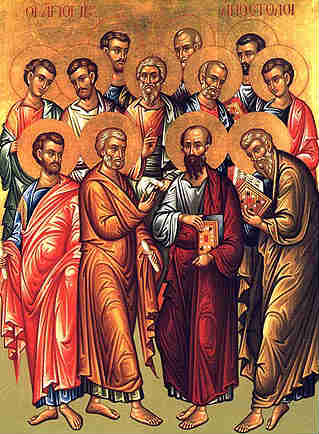
Apostles 01Matthew was a Jew who worked for the Roman government as a tax collector.  He got this job when he made the highest bid to the Roman official posting it on Craigslist.  His job was to collect 1% of annual incomes for Rome but it was expected that he would extort more monies for his own bank account.

These “publicans” were Jews, hated by the Jewish people because of their complicity with Rome and their unscrupulous reputations.  A publican, or tax collector, had to be ready to accept awful rejection from his own people.

Which is why Matthew gasped when Jesus walked by his tax booth and said, “Follow me.”  No one ever invited people like Matthew anywhere.  The best he could hope for was that people would just ignore him and not hiss when they walked by his booth.  Matthew immediately put out his “CLOSED” sign and left with Jesus. Continue reading They worshiped, but some doubted.