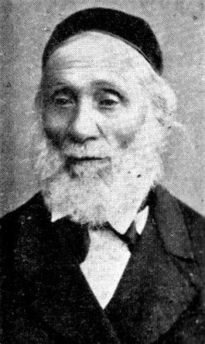
 No one believed Moishe the Beadle (fictional character). He was the keeper of the synagogue in Sighet, Hungary in Elie Wiesel’s famous book Night. Sighet was Wiesel’s hometown.
In the summer of 1941, Hungarian authorities rounded up approximately 20,000 Jews who had not been able to acquire Hungarian citizenship, and deported them to German-occupied Poland.
The Germans massacred approximately 23,000 Jews from August 27-28, 1941 in the first large-scale massacre of the Final Solution. Moishe the Beadle was an archetype of one of these illegal aliens who was swept up in the deportation. Continue reading Truth and Moishe
 I was a middle-aged lady, set in my ways, when I decided to be baptized. And when that water poured over my head, I realized the big problem with my new religion: God actually lives in other people. I couldn’t be a Christian by myself. I couldn’t choose who else was my brother and sister.
 Where is God When You Need Him?
 “God’s got this” – mostly heard when some concern has been expressed concerning someone’s health, a crisis, or unexpected negative event. On the face of it, it sounds so religious and holy – “Relax, God’s got this.”
 Words Without Eyes
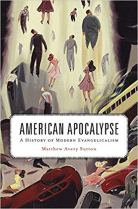 I heard for the first time in the early 80’s that American foreign policy was being influenced by the joint ideologies of religious fundamentalism and Evangelicalism. It seemed far-fetched at the time, but the idea stayed around in my mind in the ensuing decades.
 With all the talk about fake news these days, I’m most disturbed by the rise of fake religion.
 “It was meant to be.”
 MonoLogue