 We went to a New Year’s Eve party at Playhouse Merced. The event started at 8:00 on Wednesday evening, and it was in full swing by the time we arrived.
The Playhouse was well decorated for the event. The main stage area had a fresh coat of paint. A small, raised platform supported the three-person band. A few people were dancing to the music; others were sitting, enjoying the show.
The foyer housed the drink bar, nibbles, and conversation areas. It stayed full most of the night. Some folks went to the event to be with friends and chat. Conversation areas were scattered around the room. One couple was visiting the area from South Dakota. They found the event on the web and decided to join the festivities.
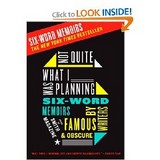 When I joined a business networking group, we were taught to be able to give a summary of our business or product in the amount of time needed for an elevator ride—about 60 seconds. It was tough learning to be that succinct, and even now I want to use a few more words.
 Recently I got to participate in a two-day set of interviews for openings at a local agency. The candidates were each given a one hour appointment during which they would make their presentation and receive questions from our group.
 My secretary ushered in a person I had never met before who had a folder in her hand. “Pastor,” she said. “I want to talk to you about a threat to our religious freedom.”
  During Bill Clinton’s campaign, his campaign strategist, James Carville, coined the phrase, “the economy, stupid,” as a way to refocus voters’ attention and to say that George H.W. Bush had not adequately addressed the economy. The phrase was meant for an internal audience of campaign workers, but it became widely used.
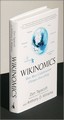 I’ve been reading a very intriguing book called Wikinomics. The premise of the book is that the way business and creativity is practiced on the Internet is transforming brick and mortar business as well.
 I looked at the notice in a summer
 MonoLogue